
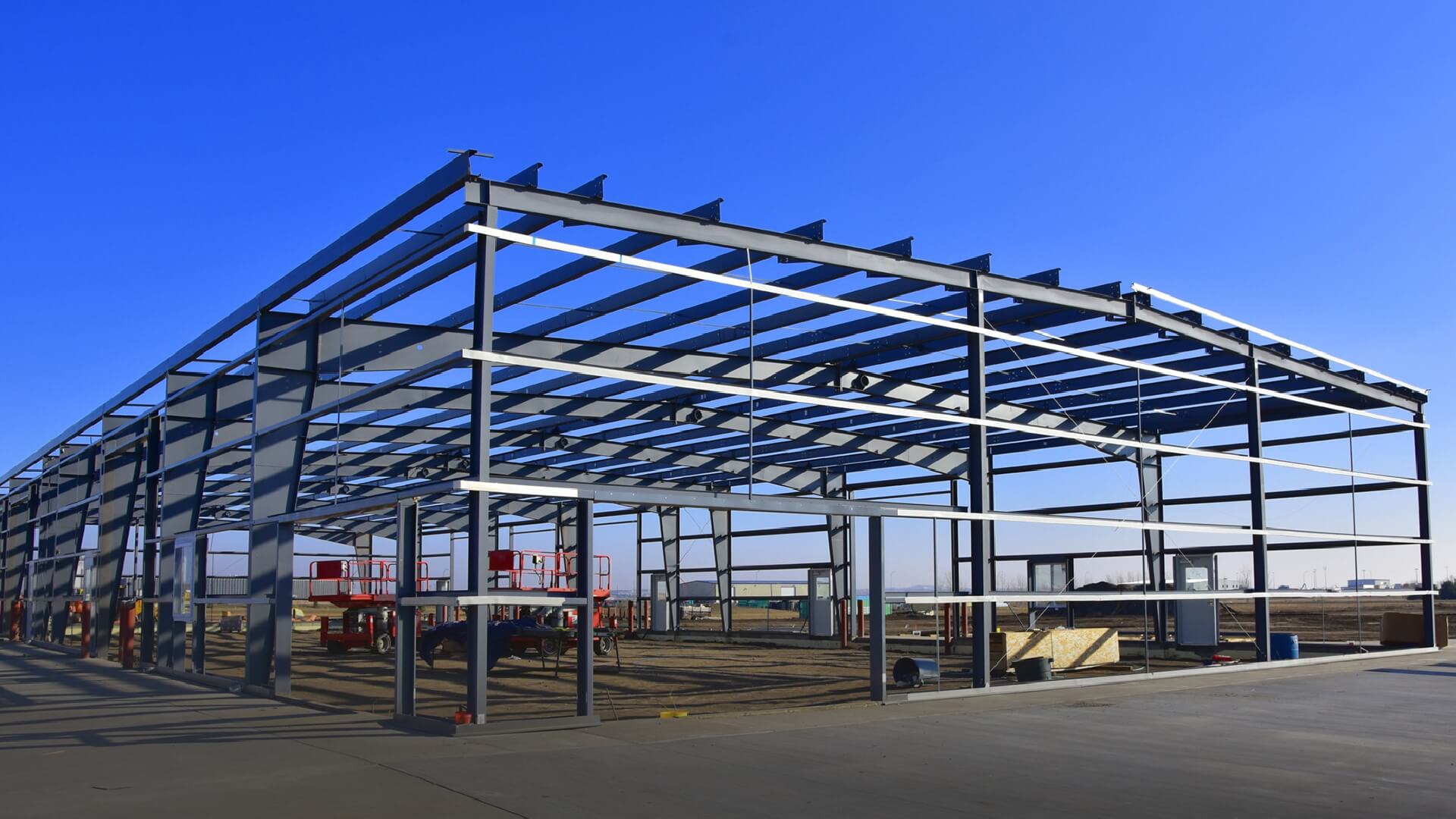
Introduction: Why Pre-Engineered Buildings Are Reshaping Global Construction
The pre-engineered buildings (PEB) market is entering a sustained high-growth phase globally, driven by compelling structural needs for faster project delivery, substantially lower construction costs, reduced labor dependency, and enhanced sustainability performance. Across geographically and economically diverse markets—including the United States, United Kingdom, India, and China—PEB systems are experiencing rapid transition from niche industrial solutions serving specialized applications toward mainstream structural systems serving diverse end-use categories: warehouses, logistics hubs, manufacturing facilities, data centers, commercial buildings, and agricultural structures.
Market research and industry analysis consistently project high single-digit to double-digit compound annual growth rates (CAGR) through the 2030s, supported by powerful structural drivers including rapid industrialization, explosive e-commerce expansion, massive infrastructure investment, and increasingly aggressive net-zero carbon policies favoring off-site construction methodologies. This comprehensive market analysis examines PEB market dynamics, growth projections, and strategic opportunities across major global markets through 2035.
Related Resources: Prefabrication Technology Overview • Steel Construction Best Practices • ISO Standards for Building Systems • UN Sustainable Infrastructure Goals • IEA Buildings Energy Efficiency
What Are Pre-Engineered Buildings (PEBs)? Technical Definition and System Components
Pre-engineered buildings represent a fundamentally different construction paradigm compared to conventional in-situ construction methodologies. PEBs are factory-designed and factory-fabricated steel or hybrid structures that are manufactured off-site in controlled production environments and assembled on-site through systematic connection procedures. This manufacturing-centric approach fundamentally differs from traditional construction, which relies on field-based design adaptation, site-based fabrication, and continuous labor-intensive assembly processes. PEB systems emphasize optimized structural design principles, standardized component specifications, and controlled production environments that enable consistent quality, predictability, and efficiency.
Core Components of PEB Systems
- Primary steel frames – Engineered columns and rafters designed for specific load conditions and span requirements
- Secondary structural members – Purlins, girts, bracings, and lateral-load resisting systems
- Roof and wall cladding systems – Factory-formed metal panels and integrated waterproofing solutions
- Engineered connections and fasteners – High-strength bolts, welded connections, and standardized attachment details
- Optional integrated systems – Thermal insulation, daylighting systems, HVAC integration, and electrical distribution
Key Advantages of PEB Systems
- Dramatically faster project delivery – Parallel fabrication and site preparation reduce overall project timelines by 30-50% versus conventional construction
- Substantially lower labor dependency – Factory-controlled manufacturing reduces on-site assembly workforce requirements
- Highly predictable costs and schedules – Controlled factory production eliminates weather delays and change-order surprises
- Exceptional material efficiency – Optimized structural design minimizes steel and material consumption
- Significantly reduced construction waste – Factory fabrication and standardized components dramatically reduce waste and scrap
PEB systems find extensive application across industrial sheds, warehousing facilities, logistics parks, manufacturing plants, aircraft hangars, cold storage facilities, data centers, agricultural buildings, and large commercial assembly halls. The versatility and scalability of PEB technology make it suitable for projects ranging from small local structures to massive international logistics networks.
Related Resources: Steel Structures Technology • American Institute of Steel Construction • Prefabricated Architecture Case Studies • Whole Building Design Guide • Modular Building Institute Standards
Global Pre-Engineered Buildings Market Size and Forecast (2025-2032)
The global pre-engineered buildings market is experiencing robust, sustained expansion driven by structural macroeconomic and policy factors. Current market sizing and forward projections indicate exceptional growth trajectories across all major geographic regions.
| Market Metric | 2025 Baseline | 2032 Projection |
|---|---|---|
| Global Market Size | USD 23.75 billion | USD 48.08 billion |
| Market CAGR | N/A (Baseline) | 10.6% per annum |
| Market Expansion | Current phase | +102% total growth |
| Primary Growth Drivers | Emerging catalysts | Industrialization, e-commerce, net-zero mandates |
This sustained 10.6% CAGR is closely linked to: rapid industrial and logistics development across emerging markets, aggressive expansion of manufacturing capacity in developing economies, acute labor shortages in developed construction markets, and increasingly strict sustainability mandates that favor off-site construction methodologies with lower embodied carbon profiles. PEBs represent a critical subset of the broader prefabricated and modular construction market segment, which governments, development institutions, and private developers increasingly view as essential strategic infrastructure for modernizing construction sector productivity.
Related Resources: Off-Site Construction Methods • Construction Industry Standards • McKinsey Construction Insights • World Bank Infrastructure Development • Ellen MacArthur Circular Economy Framework
Pre-Engineered Buildings Market in the United States: Growth Dynamics and Forecasts
The United States pre-engineered buildings market represents one of the largest and fastest-growing PEB markets globally, driven by acute construction sector challenges and structural demand drivers.
Market Size and Projected Growth
- Current market size (2024): USD 2.5-3.6 billion
- Projected market size (2033-2035): USD 7.95-10 billion
- Projected CAGR: 9% to 13.4% annually through 2035
Critical Demand Drivers in US Market
- Acute construction labor shortages – Chronic skilled trades shortages driving wage inflation and project delays; PEBs reduce on-site labor requirements
- Explosive e-commerce warehousing growth – Rapid expansion of fulfillment centers, last-mile distribution hubs, and logistics networks requiring fast-track delivery
- Data center expansion – Massive buildout of hyperscale data facilities for cloud computing and AI infrastructure requiring rapid deployment
- Light manufacturing expansion – Nearshoring and reshoring initiatives driving domestic manufacturing facility construction
- Corporate ESG and embodied-carbon commitments – Major corporations targeting scope-3 (embodied carbon) reductions, favoring off-site manufacturing and low-carbon solutions
PEB systems are increasingly favored for logistics warehouses, cold storage facilities, industrial manufacturing campuses, rapid-deployment facilities, and specialized structures across the US market. The combination of labor constraints, rapid market growth, and strong sustainability mandates creates ideal conditions for PEB market expansion.
Related Resources: US Labor Statistics Construction Data • EPA Construction Waste Reduction • USGS Embodied Carbon Guide • US Green Building Council Standards • Construction Industry Regulations
Pre-Engineered Buildings Market in the United Kingdom: High-Growth Regional Dynamics
The UK pre-engineered building market, while substantially smaller in absolute market size compared to the US, demonstrates notably high growth intensity and strong structural tailwinds.
Market Projections and Growth Rates
- Current market size (2024): USD 89.2 million
- Projected market size (2030): USD 184.7 million
- Projected CAGR (2024-2030): 12.9% annually
Structural Growth Catalysts in UK Market
- Post-Brexit skilled labor shortages – Significant skilled trades immigration reductions driving severe labor constraints and cost inflation
- Massive government infrastructure funding – Government commitments exceeding USD 49 billion for housing development and infrastructure modernization
- Stringent net-zero carbon regulations – Building performance regulations and carbon reduction mandates favoring low-embodied-carbon construction methodologies
- Productivity challenges in traditional construction – Persistent delays, cost overruns, and quality issues in conventional on-site construction
PEB and steel-based off-site construction systems align particularly well with UK commercial buildings, logistics facilities, public infrastructure projects, and housing developments. The convergence of labor constraints, regulatory mandates, and government funding creates exceptional growth conditions for PEB adoption.
Related Resources: UK Industrial Strategy & Infrastructure • BREEAM Building Certification Standards • UK Steel Construction Organization • UK Building Regulations & Compliance • British Steel Construction Solutions
Pre-Engineered Buildings Market in India: Explosive Growth and Market Dynamics
India represents one of the most dynamic and rapidly expanding PEB markets worldwide, driven by intense industrialization, urbanization, and infrastructure development.
Market Size and Growth Projections
- Current market size (2024-2025): USD 2.3-2.5 billion
- Projected market size (2034): USD 6.1-6.5 billion
- Projected CAGR: 9.5% to 12.4% annually through 2034
Primary Growth Catalysts in Indian Market
- Rapid urbanization and industrialization – India's accelerating urban migration and manufacturing expansion drive structural facility construction
- Government strategic initiatives – Industrial Corridors program, "Housing for All" initiative, and manufacturing hubs expansion
- Massive logistics and warehousing expansion – E-commerce growth, cold chain development, and supply chain modernization drive facility construction
- Manufacturing base strengthening – "Make in India" policy, production-linked incentives, and nearshoring support manufacturing facility buildout
- Strong cost sensitivity – Price-sensitive markets favor lightweight steel solutions offering superior value propositions versus traditional construction
PEB systems have become the default structural choice for factories, warehouses, distribution centers, and industrial parks across India. The market's scale, growth velocity, and favorable cost dynamics position India as a critical growth engine for global PEB manufacturers.
Related Resources: India Industrial Infrastructure Development • Indian Steel Industry Association • Make in India Manufacturing Initiative • India Infrastructure Portal • National Association of Real Estate Development
China and Wider Asia-Pacific PEB Market: Scale and Systemic Drivers
While many global market studies aggregate data under the Asia-Pacific regional category, China and the broader Asia region represent the largest contributor to global PEB revenue and growth. The region's sheer construction scale, government policy support, and infrastructure investment magnitude create enormous absolute demand for PEB systems.
Policy Target: China government mandates for 15-30% prefabricated construction share in new urban development.
Implementation: Regulatory requirements and incentive structures promoting off-site manufacturing.
Impact: Systemic shift toward PEB adoption across industrial, commercial, and residential sectors.
Scale: Trillions of dollars invested in industrial parks, logistics networks, manufacturing facilities.
Timeline: Sustained 10-15 year infrastructure development programs across Belt and Road initiatives.
Outcome: Even modest PEB penetration rates translate into billion-dollar absolute demand volumes.
Drivers: Government priorities for construction safety, environmental sustainability, and labor productivity improvement.
Alignment: PEB systems deliver superior performance across all three dimensions versus traditional construction.
Result: Structural policy support for PEB adoption and manufacturing capacity expansion.
Sustainability, Speed, and Cost Advantages: Evidence-Based Analysis
Independent academic research, industry studies, and practitioner experience consistently validate three core advantages that drive PEB market adoption and competitive superiority:
1. Speed and Labor Efficiency Performance
PEB systems deliver dramatically faster project delivery compared to conventional construction. Factory fabrication and off-site manufacturing enable parallel activities: while site preparation proceeds, structural components undergo controlled fabrication in optimized factory environments. On-site assembly requires substantially reduced labor compared to traditional construction, particularly for large-span industrial structures. Project timeline reductions of 30-50% are consistently documented for equivalent structures, with corresponding reductions in project financing costs and accelerated revenue generation for commercial facilities.
2. Cost Predictability and Lifecycle Economics
Factory-controlled production and standardized component specifications eliminate many cost uncertainty sources endemic to site-based construction. Weather delays, change orders, rework cycles, and field fabrication inefficiencies are substantially minimized or eliminated through manufacturing-centric approaches. Large-scale industrial structures (warehouses, manufacturing halls, data centers) demonstrate lower lifecycle costs through superior thermal performance, predictable maintenance requirements, and extended structural longevity compared to conventional alternatives.
3. Sustainability and ESG Alignment Benefits
PEB systems deliver measurable sustainability advantages across multiple dimensions. Factory fabrication produces substantially reduced construction waste compared to site-based construction (typical waste reduction: 40-60%). Optimized structural design minimizes total material consumption and embodied carbon. Off-site manufacturing enables superior quality control, resulting in improved thermal performance, superior weatherproofing, and reduced operational energy requirements. Steel's recyclability and PEB systems' disassembly design support circular economy principles. These documented benefits directly support corporate net-zero targets, green building certifications (LEED, BREEAM, EDGE), and ESG investment mandates.
Future Outlook: Are Pre-Engineered Buildings Becoming the New Construction Standard?
Comprehensive market data, growth projections, regulatory trends, and policy developments strongly suggest that pre-engineered buildings are transitioning from a niche specialized solution toward a core, mainstream construction methodology across industrial, logistics, manufacturing, and commercial sectors. The evidence base supporting this transition is compelling and multidimensional:
Market scale and growth: Multi-billion-dollar global markets with 10.6% CAGR through 2032 and sustained double-digit growth rates in key regional markets (UK 12.9% CAGR, India 9.5-12.4% CAGR) indicate structural market expansion beyond cyclical patterns.
Policy and regulatory support: Government mandates for prefabricated construction, carbon reduction regulations, labor productivity initiatives, and infrastructure investment commitments create systemic tailwinds supporting PEB adoption across all major markets.
Structural economic drivers: Labor shortages, cost pressures, sustainability imperatives, and supply-chain resilience concerns create enduring business case drivers for PEB adoption independent of cyclical construction demand fluctuations.
Technology and capability maturation: PEB design, manufacturing, and assembly technologies have reached sufficient maturity and standardization to support reliable, cost-effective deployment across diverse project types and geographic markets.
In conclusion, pre-engineered buildings are positioned to become a central pillar of global construction methodology through the 2030s and beyond, reshaping how societies efficiently, sustainably, and affordably construct the physical infrastructure supporting economic development.