
Overview: Historic $400–$500 Million Loan Fraud Exposes Private-Credit Vulnerabilities
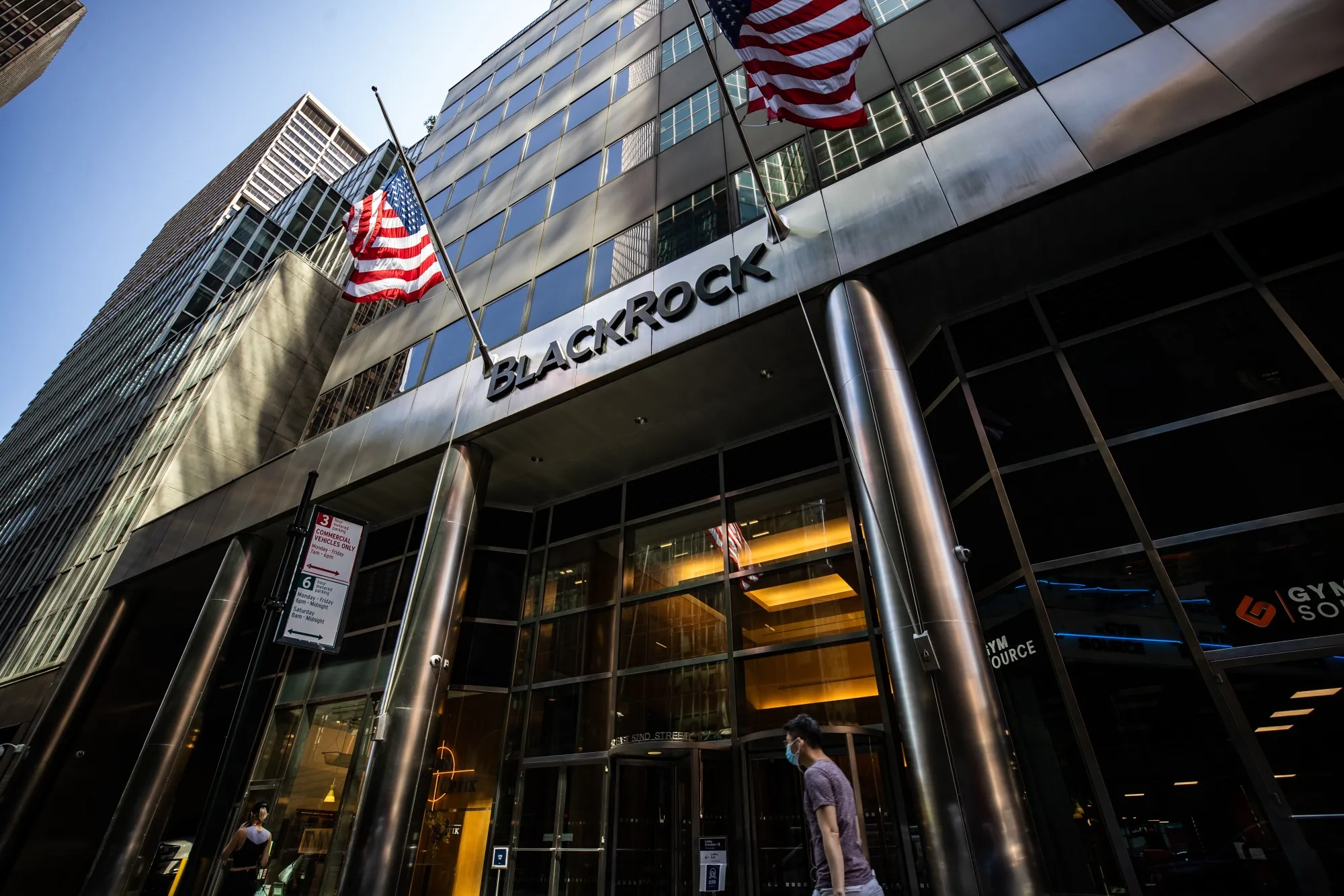
A massive alleged loan fraud scheme involving approximately $400 million to $500 million has drawn unprecedented international scrutiny across financial markets, regulatory bodies, and institutional investors. The alleged fraud directly ensnared BlackRock, the world's largest asset manager, through its 2025 acquisition of HPS Investment Partners, a prominent private-credit firm that served as the lead lender in the scheme.
The alleged scheme, controlled by Indian-origin entrepreneur Bankim Brahmbhatt, operated through a network of U.S.-based telecom and factoring companies that fabricated receivables—fictional customer invoices and forged payment documents—to secure massive credit facilities from sophisticated institutional lenders. According to court filings, regulatory disclosures, and multi-source reporting across major financial publications, lenders now allege that a substantial majority of the receivables securing these loans were entirely fabricated, including fictitious customers, non-existent payment obligations, and professionally forged invoices that bypassed standard verification protocols.
The exposure triggered cascading civil litigation, multiple bankruptcies, a federal criminal investigation by U.S. prosecutors in the Eastern District of New York, and unprecedented scrutiny of private-credit underwriting standards. The case represents one of the most significant alleged frauds to hit the private-credit market in the past decade, with profound implications for institutional capital allocation, receivables-based lending verification protocols, and regulatory oversight of the rapidly expanding private-credit asset class.
Scale of the Alleged Fraud: $400–$500 Million in Exposure
The precise total exposure linked to the alleged scheme reflects varying methodologies across lenders, institutional investors, and financial publications. The reported range encompasses:
- $400–$430 million in direct receivables-backed loans: Conservative estimate reflecting core loan facilities extended directly by BlackRock-controlled HPS and affiliated private-credit lenders, based on loan documentation and receivables audits
- Up to $500 million in total exposure: Broader estimate including leveraged financing facilities, warehouse credit lines, and affiliated entities' obligations across multiple borrower structures
- Indirect investor exposure: Additional exposure through institutional investors who purchased participations in syndicated facilities or held interests in affiliate lending vehicles
The variation in reported figures reflects differing methodologies including whether estimates represent net exposure after collateral valuations, gross loan commitments at origination, cumulative obligations across multiple related entities, or inclusive of ancillary financing arrangements with secondary lenders. Despite these variations, all major institutional sources agree the losses rank among the largest alleged frauds in the private-credit and receivables-financing sector in modern history.
| Exposure Category | Reported Range | Methodology |
|---|---|---|
| Direct Receivables Loans | $400-430 million | Primary loan facilities extended to borrower entities |
| Leveraged Financing | $50-70 million | Secondary debt and warehouse facilities backing core loans |
| Total Institutional Exposure | $400-500 million | Cumulative exposure across all lending facilities and related entities |
| Estimated Recovery Rate | 5-25% (projected) | Based on comparable receivables fraud bankruptcies; highly dependent on asset recovery success |
Borrower Entities and Financing Structure: The Fraud Architecture
The alleged fraud was operationalized through a network of nominally independent borrower entities, all controlled by Bankim Brahmbhatt, operating in specialized telecom and voice-routing markets. These entities obtained financing through receivables-backed credit facilities—a standard structure in telecom markets where lenders advance capital based on documented payment obligations from customer invoices. The borrower network included:
- Broadband Telecom: Operating entity claiming to provide telecom infrastructure and voice-routing services; obtained approximately $150-180 million in receivables-backed facilities
- BridgeVoice: Voice and data routing intermediary claiming major telecom operator contracts; secured $80-120 million in credit facilities
- BB Capital: Factoring and receivables aggregation entity purporting to manage invoice collections; held $40-70 million in financing
- Carriox and affiliated entities: Related operating companies claiming specialized telecom routing and traffic management; obtained $30-50 million in combined facilities
BlackRock's HPS Investment Partners served as the lead private-credit lender, originating and managing the core receivables facilities. BNP Paribas, the Paris-headquartered global banking institution, was reported to have provided substantial leverage and financing backing a significant portion of the facilities, potentially accounting for approximately 40-50% of total loan exposure through warehouse lines and secondary lending arrangements.
How the Alleged Scheme Operated: Verification Bypasses and Document Fraud
According to extensive lender lawsuits, bankruptcy examiner reports, and court filings in the U.S. Bankruptcy Court for the Eastern District of New York, the alleged fraud followed a methodical, consistent operational pattern designed to exploit standard but imperfectly enforced verification protocols in receivables-backed lending:
Phase 1: Invoice Fabrication and Submission
- Falsified invoice generation: Borrower entities submitted detailed invoices purporting to represent payment obligations from major global telecom operators including Verizon Communications, AT&T, Vodafone, and other established carriers
- Sophisticated document production: Invoices contained authentic-appearing formatting, customer reference numbers, payment terms, and technical specifications designed to pass cursory document review
- Collateral pool aggregation: Monthly receivables pools were structured to appear diverse, with invoices dated across multiple months and purportedly representing different customer categories
Phase 2: Collateral Documentation and Lender Verification
- Email verification exploitation: Lenders received email confirmations purporting to verify the invoices, allegedly originating from addresses mimicking corporate email domains of the named telecom operators
- Credential spoofing: Email confirmations used authentic-appearing header information, corporate logos, and signature blocks designed to appear legitimate to lenders' verification teams
- Audit trail manipulation: Documentation packages included apparent audit trails, internal approvals, and customer authorization forms that lenders' due-diligence teams accepted as evidence of invoice legitimacy
Phase 3: Loan Facility Origination
- Credit facility establishment: Based on the purported receivables collateral, HPS Investment Partners and affiliated lenders extended substantial receivables-backed credit facilities with typical advance rates of 80-90% of stated receivables value
- Warehouse financing: Secondary lenders including BNP Paribas provided leverage facilities backing the primary loans
- Ongoing drawdowns: Borrowers accessed funds through scheduled advances as purported receivables were submitted monthly
Email domain spoofing: Confirmation emails originated from domains closely mimicking corporate addresses (e.g., "verizon-confirm.net" instead of "verizon.com"), bypassing lenders' initial screening.
Secondary verification gaps: While lenders conducted some verification calls, these calls allegedly reached numbers controlled by Brahmbhatt's network, not actual corporate verification departments.
Document authenticity checks: Sophisticated invoice production made forgeries difficult to detect without forensic analysis.
Non-existent customers: Upon enhanced audit, lenders discovered that several customers listed on invoices could not be contacted or had no record of the transactions.
Operator denials: Telecom companies named as invoice sources denied issuing the obligations when lenders conducted direct verification.
Invoice reconciliation failures: Detailed reconciliation with actual telecom operator billing systems revealed no corresponding transaction records.
Over-reliance on borrower documentation: Lenders accepted borrower-provided verification materials at face value without independent corroboration.
Niche market knowledge gaps: Lenders lacked deep expertise in telecom voice-routing markets, reducing their ability to identify suspicious transaction patterns.
Leverage pressure: Desire to deploy capital in the competitive private-credit market may have reduced scrutiny intensity during initial underwriting phases.
Discovery and Collapse: Timeline of Fraud Unraveling
The alleged irregularities came to light during 2024-2025 through a combination of routine credit monitoring, enhanced due diligence by lenders re-examining their receivables portfolios, and deteriorating payment performance on the underlying invoices:
- Q1 2025 - Initial irregularities detected: HPS Investment Partners analysts conducting portfolio reviews identified discrepancies in monthly receivables aging reports; certain invoices showed no payment collection activity despite maturity dates passing
- Q2 2025 - Enhanced verification initiated: As concerns escalated, lenders requested independent verification of invoices directly from named telecom operators; major carriers (Verizon, AT&T, Vodafone, others) denied familiarity with the transactions or stated they had not issued the invoices
- Q2-Q3 2025 - Funding freeze and asset examination: HPS and other creditors immediately froze funding to borrower entities; forensic analysis of documentation began revealing forgery indicators
- Q3 2025 - Bankruptcy filings begin: Multiple borrower entities filed for Chapter 11 bankruptcy protection between August and October 2025 as lenders began accelerating loans and seizing collateral
- Q3 2025 - Personal bankruptcy and resignation: Bankim Brahmbhatt filed for personal bankruptcy protection and stepped down from executive roles at borrower entities, according to court records and filings
- Q4 2025 - Federal criminal investigation opened: U.S. prosecutors in the Eastern District of New York (covering parts of New York and federal jurisdiction) subsequently opened a formal criminal investigation; no criminal charges had been publicly announced as of the latest reporting
BlackRock Acquisition and Market Implications: Timing and Regulatory Context
BlackRock completed its acquisition of HPS Investment Partners for approximately $12 billion in 2025, representing a major institutional move into the rapidly expanding private-credit market. While BlackRock has stated formally that the alleged fraud relates specifically to legacy HPS investments made prior to the acquisition's completion, the case has nonetheless drawn intense scrutiny due to BlackRock's position as the world's largest asset manager and the reputational implications of being associated with a fraud of this magnitude.
Industry analysts and institutional investors note several broader market implications emerging from the case:
- Increased regulatory attention: Securities regulators including the SEC and state attorneys general are expected to intensify oversight of private-credit underwriting standards and document verification protocols
- Receivables verification protocols: Major lenders are implementing enhanced verification procedures including independent third-party verification of invoices directly with obligors, cryptographic verification of email confirmations, and advanced document forensics
- Due diligence standards elevation: Institutional investors are reassessing due diligence expectations for asset-backed private lending, particularly in niche or specialized lending sectors
- Niche market risk reassessment: Telecom traffic, voice-routing, and other specialized receivables-backed lending sectors face intensified risk scrutiny and higher capital requirements
- Operational risk frameworks: BlackRock and other major asset managers are expected to enhance operational risk frameworks and control environments for newly acquired private-credit platforms
Legal Proceedings and Recovery Efforts: Complex Asset Tracing and Clawback Actions
HPS Investment Partners and affiliate lenders have retained top-tier litigation firms to pursue aggressive asset recovery strategies. Court filings in bankruptcy proceedings and civil actions allege that borrowed funds were moved across affiliated entities, distributed to related parties, and in some cases transferred to offshore jurisdictions, significantly complicating recovery efforts and extending anticipated litigation timelines.
- Bankruptcy court proceedings: Chapter 11 bankruptcy cases for borrower entities are ongoing in federal bankruptcy courts; secured creditors (lenders) are pursuing claims; unsecured creditors and equity holders face substantial losses
- Civil asset recovery litigation: HPS and other lenders have filed civil recovery actions against Brahmbhatt and related parties in U.S. District Courts, seeking damages, disgorgement of proceeds, and fraudulent transfer clawback
- Criminal investigation status: Federal prosecutors in the Eastern District of New York are conducting investigation; grand jury proceedings are reportedly ongoing; timeline for potential criminal charges uncertain
- International asset tracing: Lenders are conducting cross-border asset tracing with assistance from international counsel to identify transferred funds in offshore jurisdictions
Ultimately, the financial recovery outcome will depend critically on: bankruptcy court rulings on creditor priorities and claims, success of asset tracing and fraudulent transfer clawback actions, potential asset seizures, and outcomes of federal criminal investigations. Legal experts caution that complete recovery timelines could extend 5-10 years given the complexity of multiple borrower bankruptcies, cross-border asset movement, and anticipated appeals.
Conclusion: Structural Vulnerabilities in Private-Credit Markets Exposed
The alleged $400–$500 million loan fraud linked to Bankim Brahmbhatt and his network represents one of the most serious challenges faced by the private-credit industry in the past decade, with profound implications for institutional capital allocation, lending standards, and regulatory oversight. The case fundamentally exposes structural vulnerabilities in receivables-based lending when critical verification controls fail, borrower identity obfuscation succeeds, and niche market expertise gaps enable sophisticated document fraud to bypass institutional scrutiny.
As litigation proceeds through bankruptcy courts and federal courts, and as criminal investigations advance, the case is expected to influence global lending standards, investor due diligence practices, and risk governance frameworks across private-credit markets worldwide. The case will likely become a defining reference point for the private-credit industry, comparable to historical frauds that reset market standards and investor expectations around operational controls, document verification, and portfolio oversight. Institutions that implemented heightened verification protocols and niche market expertise screening are expected to emerge with enhanced competitive positioning and investor confidence.