
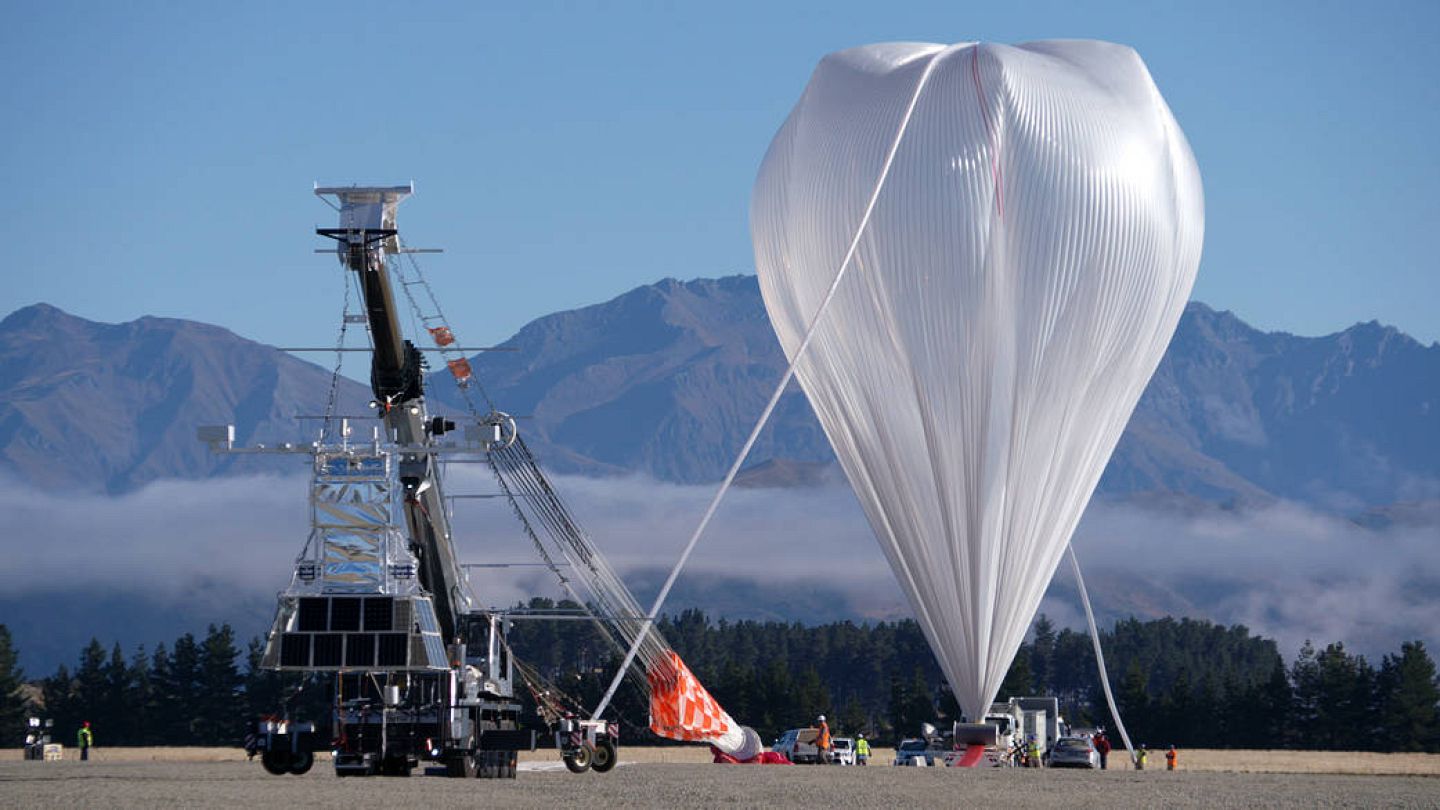
The Stratospheric Controlled Perturbation Experiment (SCoPEx), often referred to informally as "ScopeX", is a Harvard-led research project exploring solar geoengineering – specifically spraying reflective particles into the stratosphere to cool the planet. Financial backing comes in part from Bill Gates via climate philanthropy. This article delves into SCoPEx from Bill Gates's perspective, analyzing its technical design, ecological implications, economic considerations, and the global balance of benefits versus risks. We cover nature impacts, profits and losses, and pros and cons, all within a technology and environment focus.
Key themes: Bill Gates's role; stratospheric aerosol injection; solar radiation management; climate tipping points; ecosystem effects; cost-benefit analysis; ethical and geopolitical issues.
What Is SCoPEx (ScopeX) by Bill Gates?
SCoPEx (pronounced "Scope-X") is a research experiment in solar geoengineering conducted by Harvard University scientists. The project's goal is not to immediately cool the Earth, but to gather data on how small reflective particles behave in the upper atmosphere. In planned balloon flights, researchers will release tiny amounts of a non-toxic substance (such as calcium carbonate) at about 20 km altitude. The particles' interactions with sunlight and air will be measured to improve climate models.
- The name ScopeX can cause confusion; it often refers to the Harvard project SCoPEx (Solar Radiation Management).
- SCoPEx's early tests involve releasing only 100g–2kg of material from a high-altitude balloon and monitoring local conditions. This is a very small scale experiment.
- Bill Gates's funding: Gates has funded the science behind SCoPEx through philanthropic channels. Notably, Harvard's geoengineering research program lists Gates as a donor. Gates also co-founded FICER (Fund for Innovative Climate and Energy Research) which grants funds to SCoPEx. However, these are research grants, not commercial investments in a product.
- The purpose of SCoPEx is explicitly research – to learn how aerosols behave and refine models of solar geoengineering. As the SCoPEx team states, "It is not a test of solar geoengineering per se. Instead, it will observe how particles interact with one another, with the background stratospheric air, and with solar and infrared radiation". In short, SCoPEx is a small step toward understanding a large idea.
Bill Gates's Role and Perspective
Bill Gates is a major backer, but he makes clear he is not pushing for immediate deployment. In a Dec 2025 Axios interview, Gates said he supports research into solar geoengineering but has strict conditions for actual use. He indicated that his funding has gone toward understanding the technology: "Yes, I've been a funder of trying to understand geoengineering". However, he emphasized that deployment would only be considered under extreme scenarios:
"No way am I pushing the world in that direction. You would only need to reach for some other type of intervention [like geoengineering] if climate tipping points are reached," Gates said. In other words, Gates sees SCoPEx as building knowledge – an "insurance policy" for worst-case warming scenarios, not as a first-line solution.
Gates also highlighted two big concerns about solar geoengineering: (1) It might undermine emissions cuts if people think a quick fix exists, and (2) the uncertainties about regional impacts (e.g. altered rainfall, ozone loss). He stressed the difference between research and deployment. In sum, Gates funds SCoPEx to learn, not to launch global sun-blocking operations.
From Gates's point of view, climate change may be largely managed by energy innovation, but geoengineering research is a hedge if humanity nears dangerous tipping points. He helps fund it to have data, saying "having knowledge about it could be quite valuable" if ever needed.
Technical Design and Scale of SCoPEx
Technically, SCoPEx involves stratospheric balloon flights carrying a canister of aerosol material:
Balloon Flight
A high-altitude balloon (around 20 km) will loft a payload that can release the test material. The operation is carefully controlled over uninhabited regions (e.g. above Sweden) to minimize risk.
Particle Injection
The experiment will release 100g to 2kg of calcium carbonate (CaCO₃) into a ~1 km by 100 m cloud, as a tracer. CaCO₃ was chosen as it is non-toxic and may avoid ozone depletion (unlike sulfuric acid).
Measurements
Sensors on the balloon will monitor how the particles disperse, how they scatter sunlight, and any chemical changes in the air (humidity, ozone, temperature). This yields data on particle behavior in real atmospheric conditions. No greenhouse gases are involved – only reflective particles. The experiment is tiny relative to global needs. Even at its maximum, 2 kg is a tiny fraction of the millions of tons that a full-scale deployment would require. The goal is purely scientific.
According to Harvard's SCoPEx team, risks to people and environment are minimal: "Calcium carbonate is a nontoxic chemical commonly found in nature… We are not… testing whether it's possible to scatter sunlight back to space, because there is no meaningful scientific uncertainty about that question". In other words, they are not testing sun-dimming itself, just the spray mechanics. Even the balloon test (before releases) is a partial test. This limited scale means no significant hazard to nature or humans from the experiment itself.
Solar Geoengineering: How It Works
Solar geoengineering (specifically Solar Radiation Management, SRM) aims to cool Earth by reflecting a bit more sunlight away. The classic model is inspired by major volcanic eruptions: when volcanoes like Pinatubo explode, they loft sulfur particles into the stratosphere, which reflect sunbeams and temporarily cool global temperatures. SCoPEx is testing a similar concept, but on a tiny, controlled scale.
Key concepts:
- Reflective Aerosols: Tiny particles (like CaCO₃ or sulfate) in the stratosphere increase Earth's albedo (reflectivity) by scattering solar radiation back to space.
- Altitude: Particles must reach the stratosphere (~15–30 km) to remain aloft for a year or more. SCoPEx uses balloons for research; theoretical full-scale deployment might use high-flying aircraft or artillery.
- Sunlight Reduction: Even a small percentage of sunlight reduction can offset large climate forcing. Studies suggest SRM could quickly lower global temperatures with minimal cost.
However, while volcanic analogies tell us SRM can work, they also highlight risks. For example, the Mt. Pinatubo eruption caused ozone depletion and changed rainfall patterns globally. Scientists worry unintended side effects could include regional droughts, shifts in monsoon rains, or impacts on polar ozone. These are active areas of study.
SCoPEx's role: By releasing known amounts of CaCO₃ and measuring outcomes, researchers aim to improve climate models. Better models can predict impacts of various injection strategies (where, when, how much). This data reduces uncertainty about the benefits of cooling versus the risks of side effects.
Environmental and Ecological Impacts
Potential Benefits
If solar geoengineering were deployed at scale, potential environmental benefits include:
- Rapid Cooling of Planet: Climate models suggest SRM could quickly bring down global temperatures by ~1–2°C if sustained injections are maintained. Lower temperatures would reduce heat stress worldwide. The IPCC has noted that solar geoengineering could theoretically offset the global temperature rise needed to stay within the Paris target (1.5°C), though it does not solve CO₂ pollution.
- Protection of Vulnerable Ecosystems: Reduced temperatures and fewer heat waves could help ecosystems at risk from warming. For example, studies indicate reduced coral bleaching if temperature peaks are avoided. Preliminary research even shows coral reefs and tropical regions see significantly less thermal stress under SRM scenarios.
- Health Benefits: A recent study finds that, compared to warming without SRM, global heat-related mortality could drop dramatically with SRM. UChicago scientists found heat mortality benefits of sulfate-injection roughly ten times greater than the air-pollution downsides. In poorer, hotter countries especially, reduced heat would save many lives.
- Agricultural Gains: Cooler, more stable temperatures can increase crop yields (heat hurts yields). Some modeling suggests moderate SRM might improve agricultural productivity in warming countries by keeping ideal climates longer.
- Ocean Health: Lower atmospheric warming means less ocean heat uptake. Cooler oceans reduce sea level rise pressure and help marine life avoid unlivable heat.
Possible Risks and Consequences
However, solar geoengineering also carries significant uncertainties and environmental risks:
- Regional Climate Shifts: By altering the energy balance, SRM could change rainfall patterns and weather systems. For example, simulations show reduced precipitation in parts of Asia and Africa under stratospheric injection scenarios. A major concern is the impact on monsoon rains that billions rely on.
- Ozone Layer Impact: Injecting particles high into the stratosphere could deplete ozone. Sulfates, in particular, have known chemistry that damages ozone, increasing UV exposure. Even CaCO₃ could have some reaction pathways, though it is chosen partly to minimize ozone harm. Still, model studies warn of ozone hole or increased UV risk with SRM.
- Air Quality: While SRM reduces heat, it introduces aerosols that may be pollutants. Sulfate injection would add aerosol mass, which could later come down to Earth (weak acid rain, etc.). Even sulfate in the air or CaCO₃ could contribute to particulate matter counts at lower altitudes.
- Ecological Uncertainty: The long-term impacts on ecosystems are poorly understood. A sudden onset of global cooling might stress some species adapted to a warming trend. Ocean chemistry could shift. For example, some research suggests changes in ocean circulation or nutrient mixing.
- Termination Shock: If geoengineering were used and then abruptly stopped (e.g. balloon bursts, war, or policy change), the climate could warm extremely quickly to the level it would have been, causing a rapid "shock" to life. Models warn such a scenario could be worse than no geoengineering.
- Moral and Social Risks: There is concern that pursuit of geoengineering could reduce political will to cut CO₂ emissions. This "moral hazard" is a key worry mentioned by Gates.
Scientific studies quantify some of these trade-offs. The UChicago study found that while many people live less mortality from heat under SRM, regions that are currently cooler (higher latitudes) could see slight increases in winter mortality due to more cold exposure. They also show ozone-related deaths, though smaller in number. In short, the benefits (heat reduction) were much larger globally than the costs (cold and pollution) in their model – by about 10:1. But importantly, not everyone benefits equally: the poorest tropical countries see huge benefits, whereas cold-region countries see smaller drawbacks.
Economic Considerations: Costs, Benefits, and Trade-offs
From an economic perspective, solar geoengineering changes the cost landscape of climate change:
Reduced Climate Damages
By lowering temperatures, SRM could reduce extreme weather damages (fewer heatwaves, storms, droughts). The economic value of avoided disasters could be immense. For instance, if SRM kept global temperatures 1°C lower by 2100, the avoided crop losses, health costs, and infrastructure damage could save hundreds of billions compared to unmitigated warming. This is the economic "profit" side of SRM.
Implementation Costs
Interestingly, the direct cost to deploy stratospheric aerosols is relatively low. Estimates suggest it could cost on the order of $2–10 billion per year to maintain an injection that offsets 1°C of warming, due to fuel and logistics, which is tiny compared to global GDP (by contrast, U.S. alone spends >$100B/yr on farming subsidies). Bill Gates himself has noted geoengineering could be cheap. Thus, the "loss" side financially is low deployment expense.
Research and Development
Gates and others fund R&D like SCoPEx. These are research expenses, not losses but investments in knowledge. There is a call for more public funding of geoengineering research to fill knowledge gaps.
Insurance Value
Some economists view SRM as a form of insurance. If catastrophic warming starts, SRM could be rapidly scaled as emergency measure. This value of insurance is hard to quantify, but it's an "optional profit" in risk reduction.
Economic Risks
However, if SRM leads to fewer emissions cuts, societies may end up more dependent on it. This could create a dangerously long-term obligation (if you start SRM, you may have to continue it indefinitely to avoid rebound warming). That introduces potential economic risks and liabilities.
Global Inequity
A geopolitical-economic factor: Countries at higher latitudes (cooler ones) might object to global SRM if it impairs their climate. There could be economic disputes or conflicts over deciding who controls or pays for geoengineering.
In summary, many analyses see a net economic benefit if global warming is severe: the avoided damages outweigh the costs of intervention by a large margin. The UChicago analysis suggests reduced mortality alone (a proxy for economic value of life saved) far exceeds any health damage costs. However, the picture is complex: benefits accrue unevenly, and governance failures could create global economic friction.
Nature, Ecosystems, and Biodiversity
The "nature-wise" perspective is crucial. How do plants, animals, and ecosystems respond to SRM?
- Stress Reduction: By capping temperature increases, SRM could help many species. For example, reduced extreme heat can prevent habitat loss or migration in sensitive species. Some ecosystem models show that forests and coral reefs would fare better under moderated climate.
- Light Spectrum Changes: Injected particles scatter light differently. This could slightly change the quality of sunlight reaching the surface (more diffuse light). Some plants might respond positively (diffuse light can improve photosynthesis in certain conditions), but the overall ecological impacts are uncertain.
- Ocean Effects: Cooling the atmosphere slows ocean heating. Cooler oceans help preserve marine biodiversity and reduce sea level rise. However, altering temperatures and potentially acidification (not directly from SRM) could affect plankton cycles.
- Local Weather Impact: Shifting rainfall patterns may benefit some ecosystems while harming others. For example, if SRM inadvertently weakens monsoons, some rainforests or agricultural zones might suffer.
- Unknown Ecological Chemistry: Large-scale release of dust or sulfates could have chemical side-effects. CaCO₃ may affect stratospheric chemistry less harmfully than sulfate, but even harmless substances at large scale might deposit and alter nutrient cycles on the ground.
Overall, the hope is that reduced global warming will help preserve biodiversity in the long run. But experts warn of unknown surprises: "We need a clear understanding of how injected particles would affect ecosystems, including ozone and rainfall". The fact that SCoPEx uses a harmless chemical (CaCO₃) suggests an emphasis on minimizing ecological disruption even at the experimental stage.
Pros and Cons: Weighing Global Effects
To summarize, here are the key pros, cons, benefits, and losses associated with ScopeX/SCoPEx and solar geoengineering:
Pros / Benefits:
- Rapid cooling capability that could prevent worst climate outcomes.
- Large reduction in heat-related deaths, especially in vulnerable regions.
- Improved agricultural yields and ecosystem stability by avoiding extreme heat.
- Low implementation cost relative to global economy; acts as an "insurance" against emergency climate tipping points.
- Research knowledge gains: SCoPEx provides data to make future decisions more informed.
- Potential reef and marine benefits by preventing water temperatures from reaching fatal thresholds.
Cons / Risks:
- Uncertain regional side effects: some areas could experience drought or disrupted rainfall.
- Ozone depletion risk (historically tied to volcanic aerosols) and unknown chemical reactions.
- Pollution and acid rain concerns if sulfates were used (less so with CaCO₃).
- Moral hazard: Less incentive to cut greenhouse gas emissions if SRM is seen as easy solution.
- No effect on CO₂: Does not address ocean acidification or ecosystem stress from high CO₂ levels.
- Governance and Equity issues: Potential for geopolitical conflict if countries disagree on deployment; the poor in some regions could bear side effects.
- Termination shock risk: If abruptly stopped, the atmosphere could heat even faster.
These trade-offs mean SCoPEx's data-gathering is critical. The more we know from these controlled experiments, the better we can balance these factors.
Global Impact and Equity
Solar geoengineering inherently has global reach. A decision by one nation to deploy aerosols would affect weather everywhere. Thus:
- Global Effects: Any cooling effect is global (though not uniform). Models suggest more cooling in the tropics than poles, which might actually benefit equatorial countries more. Conversely, higher latitudes might become relatively cooler or receive less warming, depending on injection profiles.
- Equity: Hot, poor countries (e.g. in Africa, South Asia) stand to gain the most immediate benefits (lives and crops saved) from cooling. Wealthier, cooler countries gain less (and could face new challenges like increased cold periods). This mismatch raises ethical questions: who decides to deploy?
- Governance: There is no international treaty on geoengineering. Countries with the ability might act unilaterally, risking cross-border tensions. Some have proposed requiring global consensus or banning unilateral actions.
- Moral Responsibility: Many climate experts (including Gates) stress that SRM would only be considered if humanity crosses dangerous thresholds. Even then, any deployment would likely be globally coordinated, given the stakes.
- Economic Globalization: If climate damages are reduced by SRM, the global economy could fare better. Developing countries might avoid stalling economic growth due to extreme weather. However, if some countries refuse SRM, their environments may diverge from the global mean climate, causing new trade or migration pressures.
- Temporary Measure: Importantly, SRM is seen by many scientists as temporary. It masks symptoms but does not remove CO₂. The world would still need to eliminate emissions and potentially remove greenhouse gases. SCoPEx and other experiments implicitly operate on the assumption that SRM would only be a bridge or supplement while the world decarbonizes.
Ethical and Societal Considerations
Beyond technical and ecological factors, ethical issues loom large:
- "Playing God": The idea of intentionally altering global climate has been controversial. Some see it as an unnatural manipulation with unpredictable outcomes. This philosophical concern often fuels public opposition.
- Consent and Transparency: Who gets to decide if the sun should be dimmed? Critics argue that global society lacks a clear mechanism for consent. Even SCoPEx faced public protests and regulatory scrutiny before planned tests. Its Advisory Committee report highlights the need for transparency.
- Conspiracy Theories: Gates's involvement has attracted conspiratorial claims. Fact-checkers emphasize these are unfounded. For example, Newsweek clarifies Gates's funding supports limited research, not a "sun-blocking" plan. Nonetheless, fear and misinformation remain a challenge.
- Inequity and Justice: Historically, climate impacts disproportionately hurt the poor despite their low emissions. Solar geoengineering could shift impacts. Ensuring vulnerable populations aren't coerced or harmed by unilateral actions is a major justice concern.
- Legal and Political Risks: Without international agreements, SRM could violate treaties (e.g. environmental or human rights conventions) if done irresponsibly. Some nations have called for strict research guidelines or moratoria on deployment.
Key Points – Summarizing the Balance
- SCoPEx is not an operational solution – it's a research experiment. The data it provides will inform whether solar geoengineering is ever viable or safe.
- Bill Gates's stance: Support research, not deployment. He emphasizes caution: only consider SRM in emergencies, and never at the expense of decarbonization.
- Benefits vs Risks: By some studies, moderate SRM could yield far more global benefits (averted heat deaths, agricultural gains) than costs (cold-related deaths, pollution). But the distribution of those effects matters.
- Economic view: SRM could be a cost-effective emergency measure compared to unchecked climate change. However, cost is not the only metric – risks to health, environment, and governance must be weighed.
- Environmental effect: On nature, SRM could reduce extreme heat stress on ecosystems. Yet it doesn't solve CO₂-driven issues like ocean acidification or habitat loss. Ecosystem outcomes may improve in some ways while new problems arise in others.
- Global and Ethical: Any real deployment would require unprecedented global cooperation. SCoPEx data will inform how such decisions might be made in the future.
FAQs (Optimized for Search and Clarity)
Q1: What exactly is ScopeX (SCoPEx)?
SCoPEx (pronounced "Scope-Ex") stands for the Stratospheric Controlled Perturbation Experiment. It is a research project by Harvard scientists, partly funded by Bill Gates, to test how releasing small amounts of reflective particles (like calcium carbonate) in the upper atmosphere affects sunlight scattering and chemistry. The goal is to gather real-world data to improve climate models of solar geoengineering.
Q2: Why is Bill Gates involved with SCoPEx?
Bill Gates funds climate research through his philanthropic organizations. He sees solar geoengineering as a potential emergency backup if global warming reaches dangerous tipping points. Gates has given grants to research this technology but insists he is not pushing deployment. He supports understanding the science, not immediate action.
Q3: How does solar geoengineering (ScopeX) work to cool the Earth?
The idea is to inject fine particles into the stratosphere to reflect a portion of incoming sunlight back to space. SCoPEx tests involve a high-altitude balloon carrying a payload of harmless CaCO₃ dust, which is released in minute quantities. The particles form a small cloud that scatters sunlight and can slightly lower temperatures, similar to how volcanic ash cools Earth after eruptions.
Q4: What are the benefits and risks of spraying dust into the sky?
Benefits may include rapid cooling and reduced heat stress on people, crops, and ecosystems. A study finds that solar geoengineering could save millions of lives by lowering heat-induced mortality. However, risks include ozone depletion, altered rainfall patterns, and other unintended climate shifts. Most scientists agree that geoengineering is not a panacea and must be weighed carefully against these potential harms.
Q5: Could ScopeX or similar projects stop climate change?
No, solar geoengineering like SCoPEx would only temporarily mask warming; it does not remove greenhouse gases. For example, it does nothing to stop ocean acidification from CO₂. Any use of SRM would need to be a supplement, not a replacement, for cutting emissions and developing clean energy. As Bill Gates notes, society should not rely on dimming the sun to avoid reducing fossil fuel use.
Q6: Is blocking the sun dangerous or unethical?
Blocking or dimming the sun raises significant ethical and safety questions. Critics warn of unforeseen side effects and global governance issues. Proponents argue it could be a valuable tool if carefully studied. So far, experiments like SCoPEx involve very small, controlled tests to minimize danger. The overall safety depends on extensive research – SCoPEx itself tests only low-risk aspects (Calcium carbonate is non-toxic).
Q7: How soon could ScopeX or geoengineering be used?
SCoPEx is strictly research now. Any large-scale deployment of solar geoengineering is likely years or decades away, if ever. Experts suggest it would only be used if the world is on track to miss climate goals by a wide margin. Even then, deployment decisions would involve international agreements. At present, SCoPEx's timeline is simply to conduct experiments; future use would depend on those findings.
Q8: What is the bottom line from Bill Gates's point of view?
Bill Gates views ScopeX/SCoPEx as a critical research step. He emphasizes caution: solar geoengineering is a research priority, but not an immediate fix. He would only support actual use in emergencies (tipping points), and only if we have studied it thoroughly. He also stresses that cutting emissions remains essential. In his words, understanding geoengineering is "valuable", but he's "not pushing the world in that direction".
SCoPEx Solar Geoengineering Explained Video
Source: Harvard University SCoPEx solar geoengineering research video on YouTube
Conclusion and Global Outlook
ScopeX (SCoPEx) embodies humanity's search for solutions to climate change. The technology could potentially avert some dangers of overheating but carries its own uncertainties. As research progresses, we must weigh the nature of benefits and costs carefully. Bill Gates's involvement has accelerated study, but his stance highlights balance: geoengineering research is necessary, yet it must not distract from emissions cuts.
Globally, the potential of geoengineering opens a new front in climate policy. If proven effective and safe, it might become a tool to stabilize Earth's climate. However, it also demands unprecedented international cooperation to ensure equitable outcomes. Communities around the world – from Arctic villages to tropical farms – will feel the impacts differently, so any actions will need global consensus.
In summary, SCoPEx (ScopeX) is a scientific experiment at the frontier of geoengineering. Its global effect is uncertain but far-reaching. The profit (in terms of lives saved and climate damages avoided) could be enormous if managed wisely. The losses (risks to ozone, weather patterns, public trust) are significant if mismanaged. Both sides must be studied in depth.
For now, Bill Gates and the climate science community advocate knowledge first: gather data, model outcomes, engage the public. This thorough approach aims to ensure that if solar dimming is ever used, it will be with eyes wide open to both nature's needs and human welfare.