
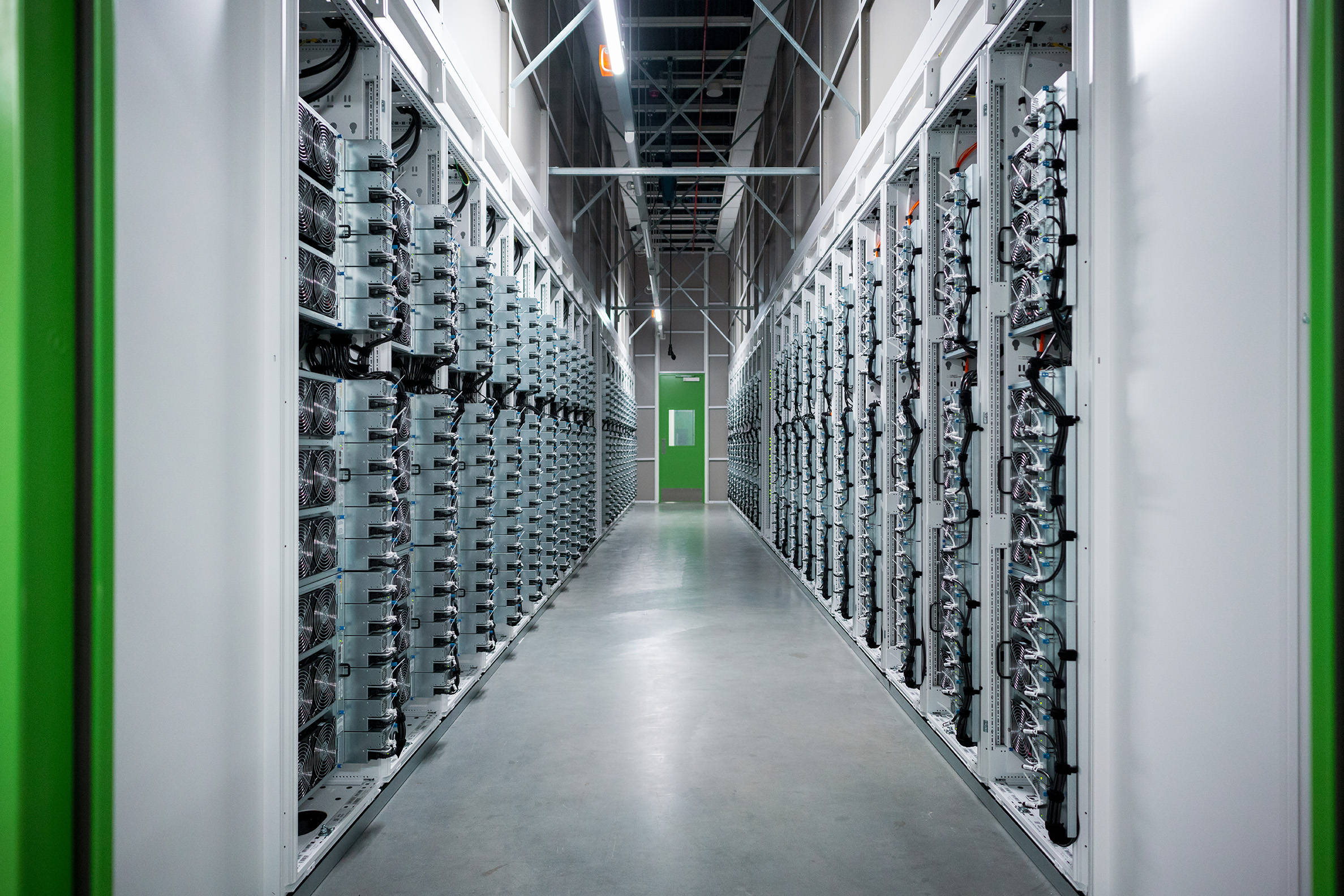
Introduction: Green Cloud Computing Fundamentals
Green cloud computing is now one of the most important pillars of modern digital infrastructure. As enterprises scale artificial intelligence, cloud platforms, and global data ecosystems, sustainable IT practices are becoming essential for cost efficiency, regulatory survival, and long-term competitiveness. The shift toward carbon neutral cloud infrastructure is not optional. It is a structural transformation of how computing will operate over the next decade.
Global data centers currently consume approximately 415 terawatt hours of electricity per year, equal to about 1.5 percent of total global electricity demand. Forecasts indicate that data center electricity consumption could reach 900 to 1000 terawatt hours by 2030 due to AI expansion and hyperscale cloud growth. Without green cloud computing strategies, this growth could double the carbon footprint of digital infrastructure. With sustainable cloud architecture, the same growth becomes a powerful engine for decarbonization.
Green cloud computing refers to energy efficient cloud infrastructure, renewable powered data centers, carbon aware workload management, and sustainable IT lifecycle design that reduce emissions while improving performance and profitability. Organizations that invest in sustainable cloud computing consistently lower operating costs, reduce compliance risk, and strengthen ESG positioning.
Why Green Cloud Computing Is a Strategic Business Requirement
Sustainable cloud infrastructure is not only an environmental issue. It is a financial and competitive issue. Electricity is one of the largest recurring expenses in cloud operations. A single hyperscale data center can consume 50 to 100 megawatts of continuous power, enough to supply tens of thousands of homes. Improving efficiency reduces operating expenditure immediately.
Regulation is another driver. Governments are tightening emissions disclosure frameworks. Enterprises must increasingly report Scope 1, Scope 2, and Scope 3 carbon emissions. Cloud carbon accounting is becoming mandatory across North America, Europe, and parts of Asia. Sustainable IT practices simplify compliance and protect organizations from legal and reputational exposure.
Customers and investors also demand carbon transparency. Procurement frameworks now include sustainability scoring. Carbon neutral cloud services are winning enterprise contracts because environmental performance is tied to brand trust and supplier credibility.
Green cloud computing therefore delivers value across four domains:
- Lower energy cost per workload
- Reduced regulatory risk
- Stronger ESG investment positioning
- Competitive differentiation in enterprise markets
The Real Carbon Footprint of Cloud Infrastructure
Understanding sustainable IT begins with understanding where emissions originate.
Compute Energy Consumption
Servers, GPUs, storage systems, and networking hardware consume continuous power. Artificial intelligence workloads are especially energy intensive. Training a large AI model can require several million kilowatt hours, equivalent to the yearly electricity consumption of hundreds of households.
Energy per compute unit is a critical metric. Efficient architecture reduces watts per transaction and lowers carbon intensity across the system.
Facility Overhead and Cooling
Cooling systems and facility infrastructure add additional energy demand. This overhead is measured using Power Usage Effectiveness, or PUE. The global average PUE is about 1.56. Best in class hyperscale facilities operate below 1.3. Legacy enterprise data centers often exceed 1.8.
A reduction of 0.2 in PUE at a 50 megawatt facility can eliminate the electricity usage of thousands of homes annually.
Embodied Carbon in Hardware
Manufacturing IT hardware generates significant upstream emissions. Semiconductor fabrication, rare earth mining, and global logistics contribute to lifecycle carbon. Frequent hardware replacement increases this footprint. Sustainable IT practices extend equipment lifespan and reduce embodied emissions.
Core Technologies Enabling Sustainable Cloud Computing
Green cloud infrastructure depends on engineering innovation across hardware, cooling, and software.
Liquid Cooling Systems
Liquid cooling reduces thermal resistance and removes heat more efficiently than air cooling. Advanced liquid cooling systems can reduce cooling energy consumption by 20 to 40 percent. This technology is critical for AI data centers running high density GPU clusters.
Energy Efficient Processors
Specialized accelerators deliver more compute per watt than general purpose CPUs. AI optimized chips can improve performance per watt by 5 to 10 times compared to older architectures. Energy efficient silicon is a cornerstone of sustainable cloud computing.
Carbon Aware Workload Scheduling
Carbon aware scheduling automatically routes workloads to regions with cleaner electricity grids. When renewable energy supply is high, compute is increased. When fossil intensity rises, non critical workloads are delayed. This transforms sustainability into a programmable infrastructure feature.
Energy Optimized Software Design
Efficient software reduces computational waste. Techniques such as model quantization, workload batching, caching, and algorithmic optimization reduce energy demand. Sustainable IT engineering now includes energy performance as a core design metric.
Renewable Powered Data Centers and Energy Procurement
Renewable energy procurement is the most powerful lever for carbon neutral cloud infrastructure.
Long term power purchase agreements finance new wind and solar generation while guaranteeing clean electricity supply. Leading technology companies now contract gigawatts of renewable capacity to offset data center demand.
Advanced procurement strategies aim for hourly renewable matching rather than annual averages. This ensures that electricity consumption aligns with real time clean energy availability. Battery storage enhances this alignment and stabilizes grid interaction.
Data centers are also entering flexibility markets. By adjusting demand in response to grid conditions, they support renewable integration while lowering operational emissions.
Circular Economy and Sustainable IT Lifecycle
Green cloud computing extends beyond energy into material sustainability.
Extending server lifespans from 3 years to 5 years can reduce embodied carbon per workload by 30 percent or more. Refurbishment programs recover valuable components and reduce manufacturing demand. Circular procurement reduces electronic waste and strengthens supply chain resilience.
Modular hardware design enables repair and component replacement instead of full system disposal. This approach combines cost savings with environmental responsibility.
Governance and Carbon Accounting in Sustainable Cloud Infrastructure
Sustainable IT requires governance integration. Carbon accounting must operate alongside financial accounting.
Internal carbon pricing assigns economic value to emissions. When engineering teams see carbon costs in project budgets, sustainability becomes part of decision making.
Modern cloud carbon dashboards track emissions by region, workload, and application. This data enables targeted optimization and transparent reporting. Organizations adopting structured carbon accounting gain credibility with regulators, investors, and customers.
Market Growth of Green Data Center Solutions
The global market for green data center solutions is expanding rapidly. Analysts estimate that sustainable cloud infrastructure markets will grow at 18 to 20 percent compound annual growth through the early 2030s. Investment in renewable powered data centers, cooling innovation, and carbon analytics is reaching hundreds of billions of dollars.
Hyperscale cloud providers now compete on sustainability metrics. Carbon neutral cloud platforms attract enterprise clients seeking ESG alignment. Venture capital is accelerating innovation in energy analytics, cooling technology, and carbon accounting software.
Artificial intelligence also plays a dual role. While AI increases energy demand, it enables optimization. AI driven systems now reduce cooling energy, predict equipment failure, and optimize grid interaction.
Risks in Green Cloud Adoption
Several risks threaten sustainable cloud strategies.
- Fossil fuel lock in: occurs when new gas infrastructure supports data center growth. These investments create decades long emissions commitments.
- Greenwashing: damages credibility. Renewable claims must be backed by measurable data and verified procurement.
- Scope 3 emissions: are often underestimated. Supply chain sustainability must be integrated into procurement policy.
- Uncontrolled AI expansion: can overwhelm efficiency gains. Energy budgets must be embedded into AI governance.
Roadmap to Carbon Neutral Cloud Infrastructure
Short term actions include energy audits, renewable procurement, and carbon accounting implementation. Organizations should set measurable PUE and emissions targets immediately.
Medium term initiatives focus on liquid cooling deployment, carbon aware scheduling, and supplier sustainability engagement.
Long term strategy embeds sustainable IT into corporate governance. Public disclosure, innovation investment, and circular partnerships drive continuous improvement.
Sustainable cloud computing must transition from isolated initiatives to permanent operational architecture.
Future Outlook for Energy Efficient Cloud Infrastructure
By 2030, digital infrastructure will either become a major emissions source or a leading force in global decarbonization. The difference depends on how aggressively organizations adopt green cloud computing.
An accelerated transition scenario sees renewable powered data centers dominating new construction, AI optimizing energy systems, and carbon neutral cloud services becoming industry standard.
Delayed action risks fossil dependency, rising regulation, and escalating operating costs.
The companies that treat sustainable cloud computing as core infrastructure strategy will define the next era of digital leadership.
Conclusion
Green cloud computing and sustainable IT practices represent the convergence of technology, economics, and environmental responsibility. Energy efficient cloud infrastructure lowers cost, strengthens compliance, and enables scalable digital growth. Renewable powered data centers transform cloud expansion into climate progress.
Sustainable cloud adoption is an engineering and business imperative. Every architecture decision influences the environmental trajectory of the digital economy.
Organizations that act decisively are not just reducing emissions. They are building resilient, profitable, carbon neutral cloud infrastructure for the future.